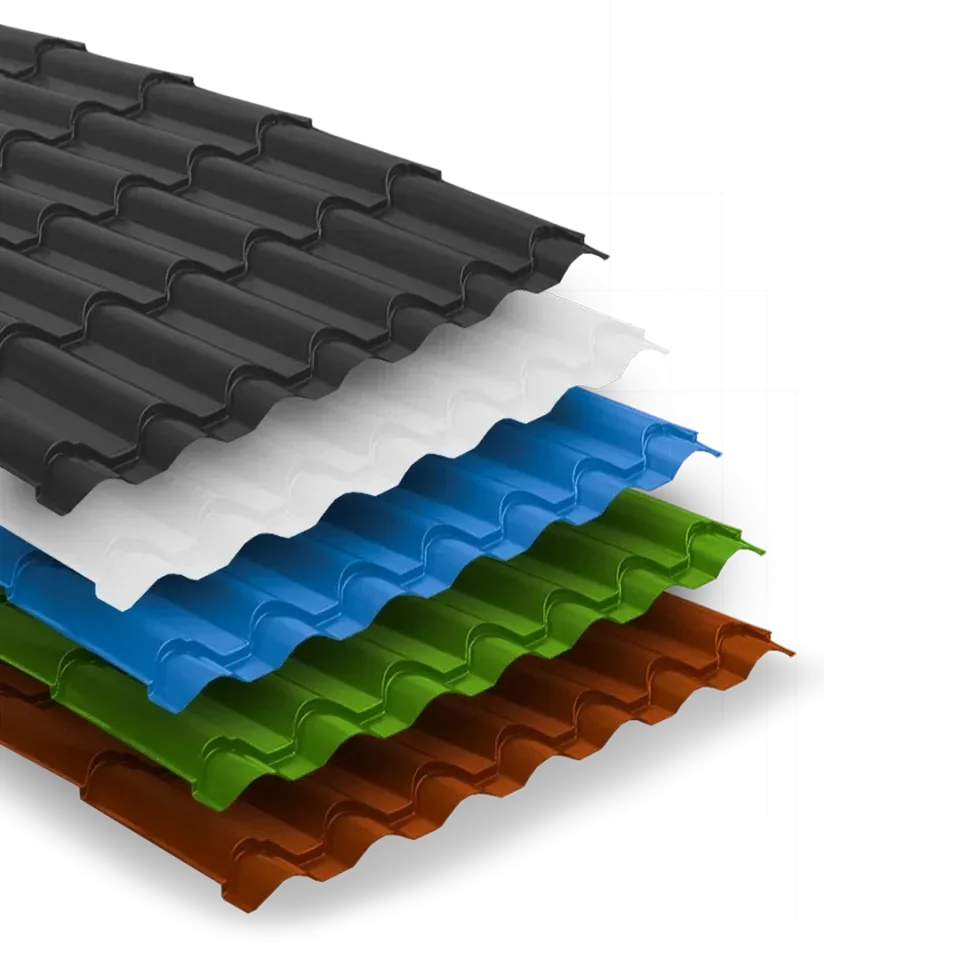
Ask three suppliers for a PUF panel quote and you may get three very different rates. Most of the time, nobody is playing games. The gap sits in details that a one-line price rarely shows: how thick the foam is, how dense it is, how thick the steel skins are, and how the panels lock together.
This guide explains those details in plain language, so you can compare quotes like for like and ask better questions before you place an order.
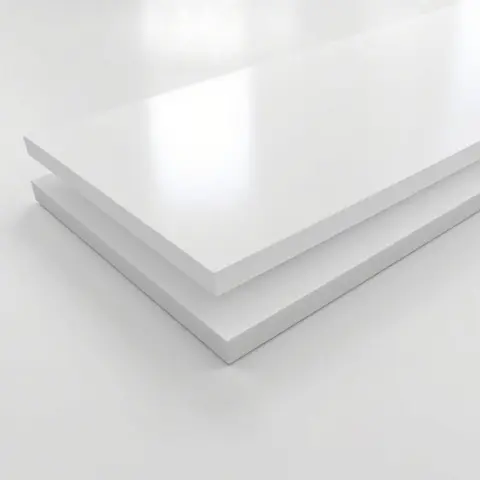
PUF panel price per sq ft is driven mainly by four things:
core thickness, core density (around 40 kg/m³ is the figure most datasheets quote), the thickness and coating of the steel facing, and the panel type and joint system. Order quantity, cut lengths, accessories, transport and installation then move the final number. Choose thickness by the temperature and heat load you need to manage, not by the lowest rate.
What a PUF Panel Is Made Of?
A PUF (polyurethane foam) panel is a sandwich. A rigid foam core sits between two metal skins, most often pre-painted galvanised iron (PPGI), though PPGL, aluminium and stainless steel are also used. Kian’s page on PUF insulated panels describes them this way and lists roofing, walls and cold storage as typical uses.
Each layer does a different job. The foam slows heat flow. The steel gives strength and weather protection. The joint decides whether the finished wall or roof stays airtight and thermally continuous.
PUF Panel Thickness: What Changes When You Go Thicker
More foam means more resistance to heat flow. That shows up as a lower U-value, which is the rate at which heat passes through a wall or roof. Lower is better. The table below uses one published European PIR wall panel datasheet to show the trend.
| Core thickness | 40 mm | 50 mm | 60 mm | 80 mm | 100 mm | 120 mm |
|---|---|---|---|---|---|---|
| U-value (W/m²K) | 0.59 | 0.45 | 0.36 | 0.27 | 0.22 | 0.19 |
Illustrative figures from a single manufacturer’s PIR datasheet. They show the pattern only and are not Kian product specifications.
Two things stand out. Going from 40 mm to 60 mm cuts heat transfer by roughly 40% in this example. Going from 60 mm to 100 mm cuts it by about 40% again, but that second step adds 40 mm of foam. Returns shrink while cost keeps climbing, so it pays to size thickness to the job instead of defaulting to the thickest option.
Typical Thickness by Application
| Application | Commonly seen range | Notes |
|---|---|---|
| Office partitions, ambient walls and ceilings | 30–50 mm | Comfort and tidy finish matter more than deep insulation. |
| Industrial roofs and sheds | 30–60 mm | Hot, sun-exposed roofs may justify more. Kian’s roofing page lists a range from 30/60 mm up to 100–130 mm. |
| Cleanrooms, food and pharma rooms | 50–100 mm | Surface finish and joint hygiene matter as much as thickness. |
| Chillers (above 0 °C) | 60–100 mm | Kian’s cold storage pages state a range of 60–150 mm. |
| Freezers | 100–150 mm or more | Colder rooms need more insulation and a well-sealed joint. |
PUF Panel Density: Why 40 kg/m³ Keeps Showing Up
Density is the weight of the foam per cubic metre, measured in kg/m³. It describes the foam core, not the whole panel. Published datasheets for PU and PIR panels typically quote about 40 kg/m³, usually with a tolerance such as ±2 or ±3. One Kian wall panel listing states 40 kg/m³ as well.
Density influences compressive strength, how well the panel resists denting and foot traffic, and how stable it stays over time. But more is not automatically better. Heavier foam costs more, and a well-made 40 kg/m³ core can outperform a poorly foamed one with a higher number. Lower densities do appear in some listings, so ask any supplier quoting one to explain why it suits your application, particularly for cold rooms or walkable roofs.
When you ask about density, also ask for the thermal conductivity (lambda) value and a test report. European manufacturer datasheets often declare around 0.022 W/mK for PU and PIR cores. Check the units too. A density written as “40 g/cm³” is a typing error, since that would be heavier than steel.
Steel Facing and Joints: The Parts That Quietly Move the Price
Sheet thickness. Published datasheets show facings from roughly 0.3 mm to 0.7 mm. One Kian wall panel listing specifies 0.35 mm PPGL. Thicker steel is stiffer and more dent resistant, and because steel is usually a major part of panel cost, it shows up in the rate.
Material and coating. PPGI suits most dry, general-purpose work. Stainless steel is often chosen for food, pharma and wash-down areas, and it costs more.
Joint type. Tongue-and-groove, cam-lock and labyrinth joints behave differently. Kian’s wall panel listing mentions tongue-and-groove. For cold rooms, a tight joint is what stops heat and moisture sneaking in.
Fire performance. Kian’s product pages note that PUF Panel can be formulated for fire resistance. Ask which tested classification applies to the panel you are quoted, rather than accepting “fire resistant” as a general claim.
What Decides PUF Panel Price per Sq Ft
There is no single fixed price, because rates move with raw materials and with your project. Here is what shifts the number:
- Core thickness: more foam, higher rate.
- Core density: a higher-density core uses more material.
- Steel facing: thickness, coating and material (PPGI, PPGL, stainless).
- Panel type and profile: wall, roof, cold storage or cleanroom versions differ in build.
- Joint system and accessories: flashings, corner profiles and fittings.
- Size and cutting: custom lengths and cut-outs create wastage.
- Order quantity: Kian’s product pages list minimum order quantities, which for many PUF panel listings is 150 square metres.
- Transport and installation: site distance and fitting work, including Kian’s PUF panel installation service.
One practical tip: check the unit. Many suppliers quote per square metre, while buyers think in square feet. One square metre is about 10.76 square feet, so divide a per-square-metre rate by 10.76. As an arithmetic example only, ₹1,000 per square metre works out to roughly ₹93 per square foot. That is a conversion, not a quoted price.
How to Compare Two Quotes Like for Like
| Confirm this | Why it matters |
|---|---|
| Unit of pricing (sq ft or sq m) | Avoids a false gap caused by units alone. |
| Core thickness, not overall thickness | Foam depth drives insulation value. |
| Core density and tolerance | Affects strength and consistency. |
| Steel thickness on each face | Inner and outer skins can differ. |
| Coating and material | PPGI, PPGL or stainless changes both cost and durability. |
| Joint type and panel size | Affects tightness, installation speed and wastage. |
| Accessories, transport, installation | Included or extra? This is where quotes often differ. |
FAQ Section (place before the final CTA)
Frequently Asked Questions About PUF Panels
What thickness of PUF panel do I need?
It depends on the temperature and heat load. Ambient walls and ceilings often use 30–50 mm, chillers commonly use 60–100 mm, and freezers usually need 100 mm or more. Kian’s cold storage pages state a 60–150 mm range. Have your designer confirm the final figure.
What is the standard density of a PUF panel?
Most published datasheets quote about 40 kg/m³, often with a tolerance of ±2 or ±3. Not every listing states density, so ask for the value, the tolerance and a test report.
What is the price of a PUF panel per sq ft?
There is no single price. It depends on thickness, density, steel facing, joint type, quantity, transport and installation. If a rate is given per square metre, divide it by 10.76 to get an approximate per-square-foot figure, then confirm the price in a written quote.
Does a thicker PUF panel always cost more?
Generally yes, because it contains more foam. But steel thickness, coating and density also affect cost, so a thinner panel with a heavier specification can cost more than a thicker, simpler one. Compare full specifications, not thickness alone.
How do PUF panels compare with rockwool panels?
PUF cores typically offer lower thermal conductivity, so a thinner PUF panel can often match the insulation of a thicker mineral wool one. Rockwool is considered where a project specifically calls for a mineral wool core. Kian lists both, and the right choice depends on your fire, temperature and acoustic requirements.
What should I tell a supplier to get an accurate quote?
Share the application, required temperature, area, preferred thickness, wall or roof use, panel lengths, site location and whether you need transport and installation. Ask the supplier to state density, steel thickness and joint type in the quote.
Which Kian Page Fits Your Job
- Walls and partitions: PUF insulated wall panels
- Roofs and sheds: PUF insulated roofing panels. If you only need a non-insulated skin, see color coated profile roofing sheets.
- Chillers and freezers: cold storage rooms and matching cold storage doors
- Hygienic spaces: cleanroom PUF panels
- If your project calls for a mineral wool core instead of foam: rockwool panels
Kian’s pages show approximate rates and minimum order quantities for each listing. Rates change, so treat them as a starting point and confirm everything in a written quotation.
Get a Quote Based on Your Actual Requirement
The fastest way to a reliable price is a clear brief. Tell Kian Container And Prefab Solutions the application, the target temperature if it is a cold room, the area in square feet or square metres, preferred thickness, site location and whether you need installation. You can share your requirement through the contact page or browse the full PUF panel range first. The team in Noida can then discuss which specification fits your project before you commit to an order.