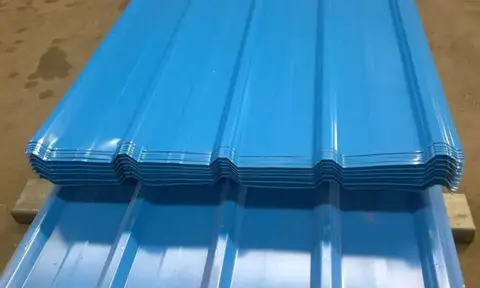
Cold Storage PUF Insulated Roofing Panel Manufacturers in Noida
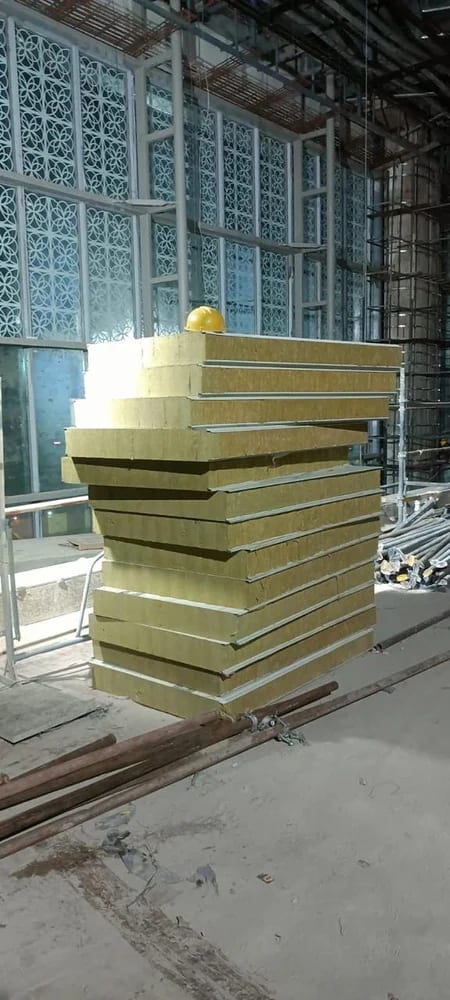
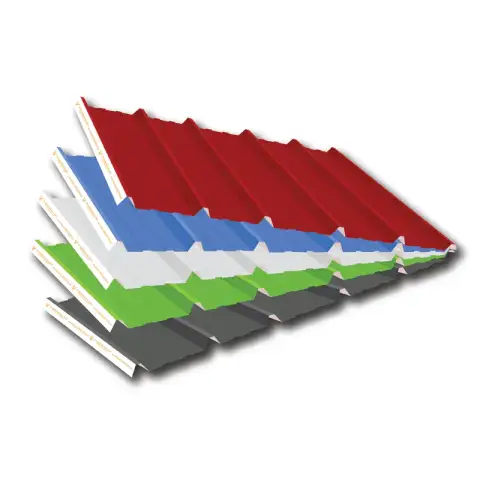
Cold Storage PUF Insulated Roofing Panels are prefabricated roofing panels developed for buildings where thermal insulation is important. They combine a structural outer layer with a PUF insulation core to create a continuous insulated roofing system. These panels are commonly considered for cold storage facilities, refrigerated warehouses, food-processing units and other temperature-sensitive areas.
Unlike conventional roofing arrangements that may require separate insulation installation, insulated panels integrate the insulation into the panel itself. This can simplify roofing work and provide a cleaner, more uniform installation when the panels are correctly selected and installed.
Material and Construction
The key component of the panel is the PUF insulation core, which provides thermal resistance between the internal and external surfaces. The outer surfaces protect the insulation and form the finished roofing layer.
The actual surface material, thickness, profile and finish should be selected according to the building design, environmental conditions and manufacturer's available configurations. Buyers should confirm these details from the manufacturer's technical quotation before placing an order.
Features and Benefits
A major feature of PUF insulated roofing is its focus on reducing unwanted heat transfer through the roof. This is particularly useful in cold storage and refrigerated environments where maintaining an appropriate internal temperature is important.
The prefabricated construction also supports systematic installation. Panels can be supplied in configurations suitable for the dimensions and roofing requirements of a project, subject to the manufacturer's available options.
Other practical advantages can include a neat finished appearance, reduced dependence on separately installed insulation and easier planning of roofing work.
Design and Configuration
Panel configuration depends on the project. Important considerations include roof dimensions, panel length, joint arrangement, supporting structure, slope, environmental exposure and required insulation level.
For cold storage applications, proper joint treatment is especially important because gaps or incorrectly sealed connections can affect the overall thermal performance of the roofing envelope.
Technical Considerations
When purchasing Cold Storage PUF Insulated Roofing Panels, buyers should evaluate the insulation requirement, panel construction, dimensions, surface material, thickness, profile and compatibility with the existing or proposed structural system.
It is also important to check whether the proposed panel configuration is suitable for the expected site conditions. The manufacturer's technical documentation should be used for final selection rather than relying only on a generic product description.
Applications
Cold Storage PUF Insulated Roofing Panels can be used in:
- Cold storage facilities
- Refrigerated warehouses
- Food-processing units
- Dairy and frozen-food facilities
- Temperature-controlled storage areas
- Industrial warehouses
- Controlled-environment buildings
- Other commercial or industrial facilities requiring insulated roofing
Use Cases
These panels are particularly relevant where the roof forms part of a temperature-controlled building envelope. For example, a cold storage operator may use insulated roofing panels as part of a refrigerated storage facility to limit heat transfer between the indoor and outdoor environments.
They can also be considered during the construction or renovation of industrial buildings where integrated roof insulation is required.
Customization
Customization depends on the manufacturer's production range and project requirements. Buyers may discuss panel dimensions, insulation thickness, surface finish, profile and other available options with the supplier.
For large projects, it is useful to provide roof drawings, required dimensions, site conditions and application details when requesting a quotation. This allows the manufacturer or supplier to recommend a suitable panel configuration.
Installation and Maintenance
Installation should be carried out according to the manufacturer's instructions and the project's structural requirements. Correct alignment, fastening and joint sealing are important for creating a reliable insulated roofing system.
Routine maintenance should include visual inspection of roof surfaces, joints, fasteners and sealing areas. Any visible damage, loose connection or deterioration should be assessed and addressed promptly.
Buying Considerations
Before purchasing, buyers should confirm the panel's insulation material, available thicknesses, dimensions, surface construction, finish and application suitability. They should also request technical documentation and a detailed quotation.
For cold storage projects, the roofing panel should be considered as part of the complete insulated building envelope rather than as an isolated roofing product.
PUF Roofing Panel vs Conventional Roofing
Conventional roofing and PUF insulated roofing serve different requirements. Conventional roofing may require separate insulation layers, while PUF insulated panels integrate insulation into the panel construction. This integrated approach can simplify the overall roofing arrangement where thermal insulation is a key requirement.
The appropriate choice depends on building design, insulation requirements, budget, installation conditions and the specifications offered by the selected manufacturer.
Cold Storage Roofing Requirements in Noida
For projects in Noida, buyers should consider local site conditions, building design, structural requirements and the intended temperature-controlled application before finalizing the panel. Working with Cold Storage PUF Insulated Roofing Panel Manufacturers in Noida can also make it easier to discuss project dimensions, delivery requirements and installation coordination locally.